Working hard but still not getting the results you deserve?
Most students are taught what to learn. Very few are taught how learning actually works. Schools and universities expect students to interpret questions, evaluate ideas, construct arguments, and exercise judgement, yet these ways of thinking are rarely taught explicitly. Walter Method Learning makes that invisible process visible. Instead of relying on guesswork, generic study tips, or trial and error, students learn how learning itself is organised, so their effort becomes purposeful, consistent, and increasingly effective. Whether you're in high school or university, the goal isn't simply to work harder. It's to understand what academic success actually requires.
Helping Grade 10–12 learners, university students, and institutions understand how learning actually works.
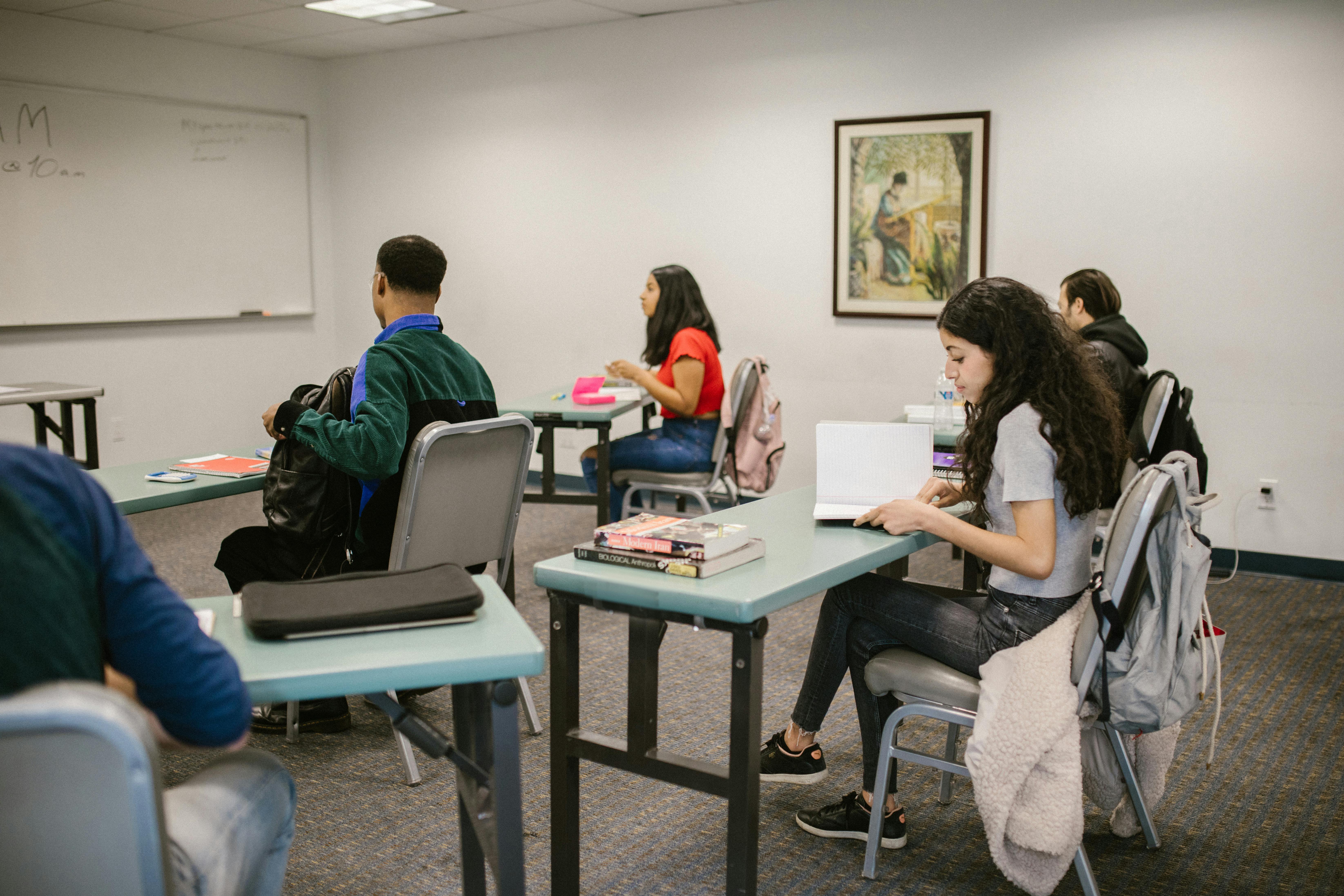


What is the Walter Method?
Most students believe that success comes from working harder, staying motivated, or finding better study techniques. Those things matter. But they are not where most learning problems begin. The real challenge is that schools and universities expect students to think in particular ways without explicitly teaching how those ways of thinking work. Students are expected to interpret questions, recognise arguments, evaluate evidence, organise ideas, and exercise judgement, often by discovering these expectations through trial and error. Walter Method Learning exists to change that.
Rather than giving students more tips, tricks, or motivational advice, we make the structure of learning itself visible. We explain what strong academic thinking looks like, why it matters, and how it develops over time.
When students understand how learning is organised, they stop relying on guesswork. Reading becomes purposeful. Writing becomes more coherent. Feedback becomes meaningful. Assessment becomes something they can prepare for intelligently rather than simply hope to succeed in.
Our goal is not to create students who depend on the Walter Method. Our goal is to develop students who understand learning well enough to become increasingly independent, confident in their judgement, and capable of directing their own intellectual development. That is why Walter Method is not simply a programme. It is a method.

Every stage of learning asks different questions.
The challenges faced by a Grade 10 learner are not the same as those faced by a university student. As education becomes more demanding, the way students are expected to think also changes. That is why Walter Method Learning offers two developmental pathways, each designed around the expectations of a different educational environment.
FLO — Foundations of Learning Orientation
For Grade 10–12 learners. FLO helps high school students understand how learning works before they reach university. Rather than focusing on individual school subjects, FLO develops the thinking, study habits, task interpretation, and independent learning needed to succeed across every subject. Students learn how to approach learning with purpose instead of relying on memorisation, last-minute preparation, or trial and error.
MOAD — Methods of Academic Development
For university students. MOAD supports students from first year through postgraduate study. It explains the forms of thinking that universities often assume but rarely teach explicitly, helping students interpret academic expectations, construct stronger arguments, engage critically with knowledge, and develop increasing independence as thinkers. Rather than simply improving assignments, MOAD develops the judgement that produces better academic work throughout a student's university journey.

Institutional Engagement
Walter Method Learning works predominantly with institutions: universities through MOAD and schools through FLO. In both cases, the framework operates as an upstream orientation layer before performance is judged.
What Changes When Learning Becomes Visible
Walter Method does not promise shortcuts. It does not offer secret techniques or guaranteed results. Instead, it helps students understand the standards they are working towards before they are assessed against them. As that understanding grows, learning begins to feel different.
You stop guessing what is expected.
Assignments become clearer because you understand what questions are really asking, how evidence is used, and what quality work actually looks like.
Your effort becomes more focused.
Instead of trying every study strategy you can find, you learn to direct your time and energy towards approaches that fit the learning task in front of you.
Reading becomes purposeful.
You begin reading with questions, identifying relationships between ideas, recognising arguments, and distinguishing what matters from what merely seems important.
Writing becomes more coherent.
Rather than collecting information, you learn how to develop arguments, organise ideas logically, and communicate your thinking with increasing clarity.
Feedback becomes useful.
Instead of seeing comments as criticism, you begin understanding the standards they point towards and how to improve your work intentionally.
Independence grows naturally.
As your understanding develops, you rely less on being told exactly what to do and become increasingly capable of making informed academic judgements for yourself.
Learning Develops in Stages
Learning is a journey of development, not a test of intelligence. Walter Method describes this growth through four developmental stages. Each stage represents a different way of understanding and engaging with learning. The goal is never to rush through the stages — it is to develop the thinking each stage requires before moving on to the next.
Epistemic Orientation
Recognition without method
The student works by recognition, authority cues, and answer-hunting rather than controlled academic method.
Open Stage ProfileAnalytical Control
Analysis with procedure, but not yet synthesis
The student can break academic material into parts and follow an analytical routine, but the work remains local, fragmented, and overly procedural.
Open Stage ProfileSynthetic & Disciplinary Thinking
Coordinated synthesis inside a field
The student can synthesize material, work within disciplinary expectations, and coordinate multiple concepts or sources around a larger problem.
Open Stage ProfileIndependent Epistemic Judgment
Judgment with explicit criteria and scope control
The student can set criteria, evaluate alternatives, justify conclusions, and revise judgment under pressure without losing methodological discipline.
Open Stage Profile